Research Presentation of MSTLTT at the Science and Math Education Seminar
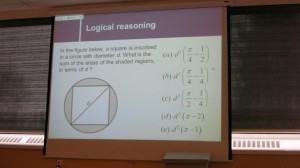 On Thursday, February 28th, 2012, the MSTLTT Team (graduate students Heather Fisher and Alexandra McDonald and I) presented our research on the development and implementation of conceptual questions at the S&METRI monthly meeting. S&METRI represents a group of mathematics and science educators at the Department of Curriculum and Pedagogy at UBC who come together to discuss our research and new ideas in the field. During this meeting we discussed our project: Mathematics Teaching and Learning Through Technology and the challenges of creating pedagogically effective multiple-choice questions. We had an opportunity not only to present our research, but also to help the participants experience it. This was very interesting and engaging. We also had a chance to talk about different ways of implementing clicker-enhanced pedagogy in the classroom.
Next year our resource will be used not only in physics methods course, but also in mathematics and science methods courses and it was great to see the interest raised by the resource.
Photos from our meeting can be found here: https://www.facebook.com/media/set/?set=a.10151735523048362.1073741825.643353361&type=1
MSTLTT Project Funded for Another Year!
 We are very happy that our project – Mathematics and Science Teaching and Learning Through Technology had been funded for another year by UBC Teaching and Learning Enhancement Fund.
We are very happy that our project – Mathematics and Science Teaching and Learning Through Technology had been funded for another year by UBC Teaching and Learning Enhancement Fund. During the first year of the project we have designed and implemented a database of resources for using electronic resource systems in the mathematics and science classrooms. We have more than 500 conceptual mathematics and science questions so far. Most of them focus on secondary curriculum, so we are going to add more elementary and middle school resources this year. We also want to focus on designing lessons for SMART Boards, as more and more schools in BC have SMART Boards and we hope to have more resources for mathematics and science teachers to help them get started.
We are also happy to see that more and more teacher-candidates and UBC and mathematics and science teachers use our resource. Our philosophy is to help teachers, but not to impose our resources on them. Thus all our resources are easily modifiable – we upload PowerPoint documents that teachers can change to fit their teaching philosophy. We hope that more people will be using our resources.
Here is selected feedback we received from student-teachers, students and teachers from Lower Mainland who have been using our resource:
“I liked these questions and would like to see more of these in class. Questions like these make you think and personally I can’t understand physics without thinking about the principles I learn in class” (Secondayr Student 1). “The questions challenged me and really made me think, it was more than just plugging in numbers” (Secondary Student 2). “The question with the free falling target was a very good question. It really got me thinking about it. It was confusing to begin with, but then when it was explained, it made more sense” (Secondary Student 3). “As a teacher, I think they are very valuable resources because they are engaging, they address common misconceptions, they can generate great class discussions promoting critical thinking and they motivate students to carry out further practical work to confirm predictions.”
Teacher-candidates who have used clicker-oriented resources in their methods courses have contributed widely to the project by letting us know what resources they find the most useful and why, how the resources can be improved and how they were able to use these resources during their School Practicum. For example, these are a few comments from our teacher-candidates: “I have found the conceptual clicker questions from your classroom to be probably the most useful and illuminating part of my classes. This format provides an environment in which the class feels comfortable investigating and exposing their [teacher-candidates’] misconceptions and beliefs about physics” (Student-Teacher 1). “The use of conceptual questions and clickers is very engaging and intellectually stimulating. The clickers create a safe learning environment where students do not have to fear giving an incorrect response to the teacher. I look forward to using this in my future classroom” (Student-Teacher 2). “I feel that the use of clickers in classroom can keep a student anonymous. It reduces stress among students due to embarrassment of failure, and at the same time it helps instructor assess the success of the teaching strategies. Whereas, if they are simply asked if they have any questions or understood the concept, they might just nod without any understanding. It can give false expression of their understanding, mitigating their learning potential” (Student-Teacher 3). “I would like to give you a big thank you for all your resources! They came in very handy and I actually used quite a few. I also did the conceptual questions and laminated ABCDEF squares handed them out and tried it. It worked very well!” (Student-Teacher 4 referring to using a low-tech version of clickers during her short school Practicum).


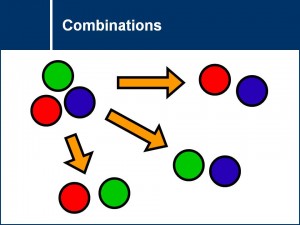
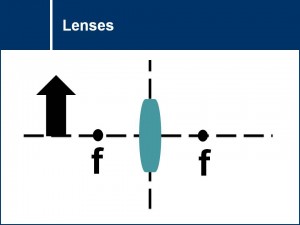
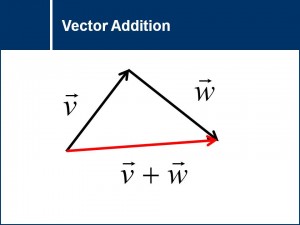
Presentation about MSTLTT Project
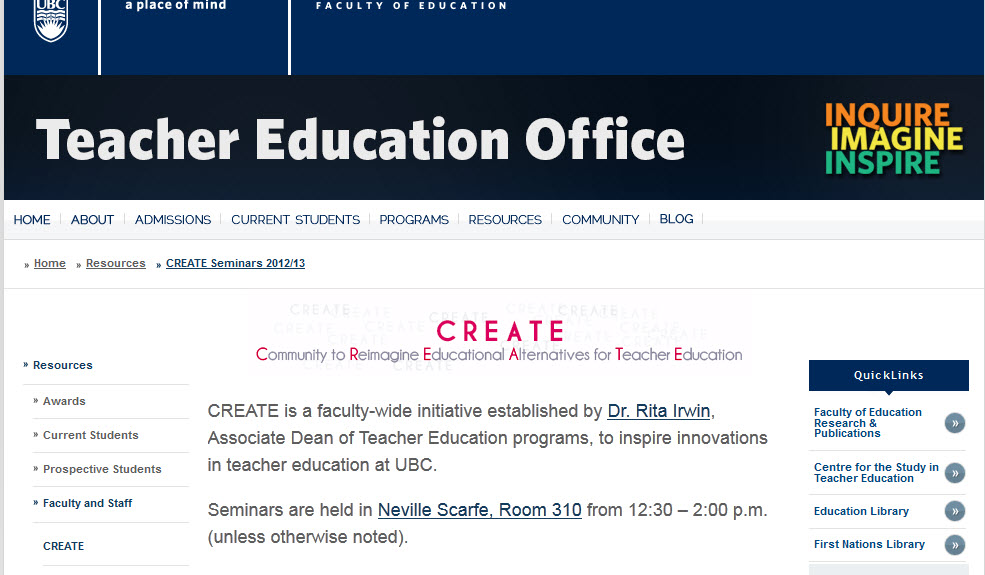 On October 16th Dr. Marina Milner-Bolotin was invited to present a seminar to faculty and students at UBC Teacher Education Program about our project. The presentation was called: The Use of Modern Technology in Teacher Education: Are We Ready? This is the video-recording of the presentation:
TLEF Showcase Presentation
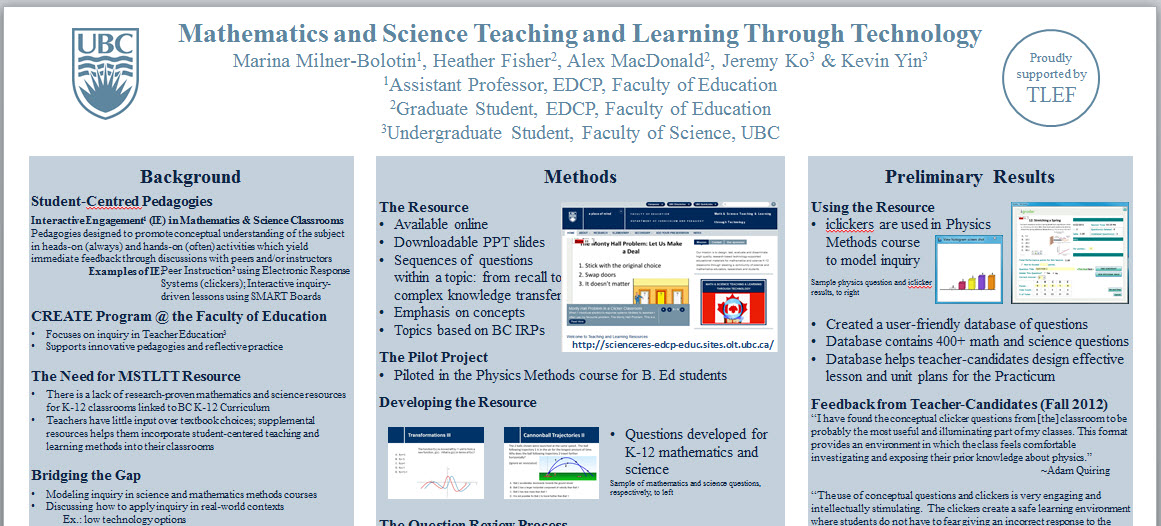 Our team had an opportunity to present our TLEF project to the larger UBC community during the 2012 TLEF Showcase that took place during the 2012 Celebrate Learning week at UBC. It was a great opportunity to show the work we have done and learn what other TLEF projects have accomplished as well.
MSTLTT Resource Makes a Difference in Teacher Education
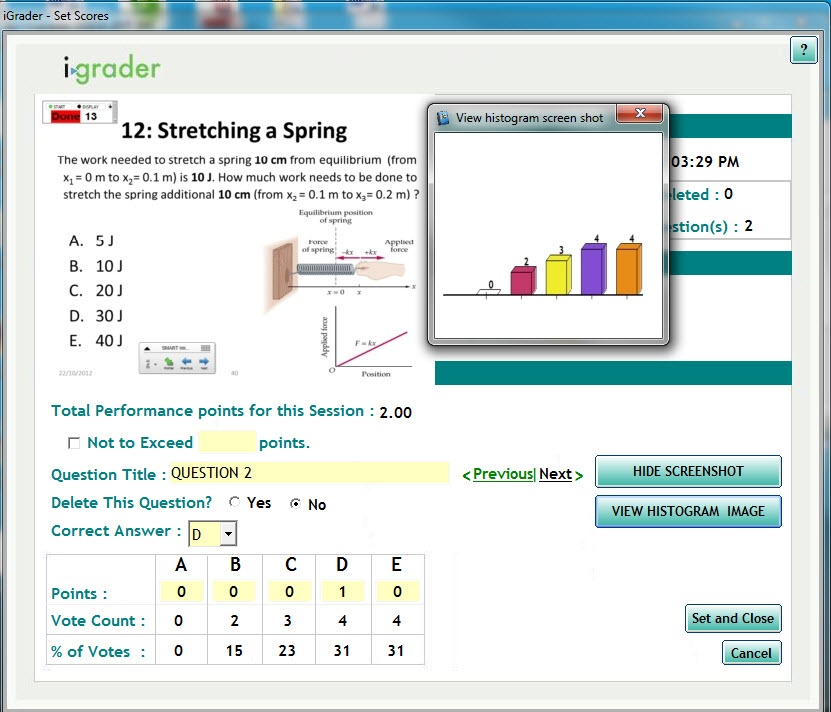 If you still have doubts about the effectiveness of conceptual questions in teacher education, take a look at what our students (future mathematics and science teachers) have to say about them. In our physics methods course for future physics teachers we used these questions extensively. In the figure, you can see one example of a question used with future physics teachers. While initially, students’ responses differed widely, this question promoted a very interesting discussion, as well as presentations of multiple ways of solving the problem:
“I have found the conceptual clicker questions from your classroom to be probably the most useful and illuminating part of my classes. This format provides an environment in which the class feels comfortable investigating and exposing their misconceptions and beliefs about physics”. “The use of conceptual questions and clickers is very engaging and intellectually stimulating. The clickers create a safe learning environment where students do not have to fear giving an incorrect response to the teacher. I look forward to using this in my future classroom”. “I feel that the use of clickers in classroom can keep a student anonymous. It reduces stress among students due to embarrassment of failure, and at the same time it helps instructor assess the success of the teaching strategies. Whereas, if they are simply asked if they have any questions or understood the concept, they might just nod without any understanding. It can give false expression of their understanding, mitigating their learning potential”. And here is the feedback from high school students and teachers: “I liked these questions and would like to see more of these in class. Questions like these make you think and personally I can’t understand physics without thinking about the principles I learn in class” (Student 1). “The questions challenged me and really made me think, it was more than just plugging in numbers” (Student 2). “The question with the free falling target was a very good question. It really got me thinking about it. It was confusing to begin with, but then when it was explained, it made more sense” (Student 3). “As a teacher, I think they are very valuable resources because they are engaging, they address common misconceptions, they can generate great class discussions promoting critical thinking and they motivate students to carry out further practical work to confirm predictions.” (A physics teacher).
Vector Components
These questions helps you learn how to find vector components and describe vectors using their magnitudes and angles relatives to the coordinate axes.