MSTLTT Database is Used by Current and Former UBC Teacher-Candidates
We are proud to report that our database is used by UBC Science and Mathematics teacher-candidates. We know that the first year of teaching might be very stressful, so having a resource designed by experienced educators at your fingertips is very helpful. Our teacher-candidates report how they use the resource and hot using it changed how they view science teaching and learning. Read more about it in our recent paper:
Milner-Bolotin, M., Fisher, H., & MacDonald, A. (2013). Modeling active engagement pedagogy through classroom response systems in a physics teacher education course. LUMAT: Research and Practice in Math, Science and Technology Education, 1(5), 525-544. http://www.luma.fi/file_download/298
MSTLTT Project has more than 1000 Conceptual Questions!
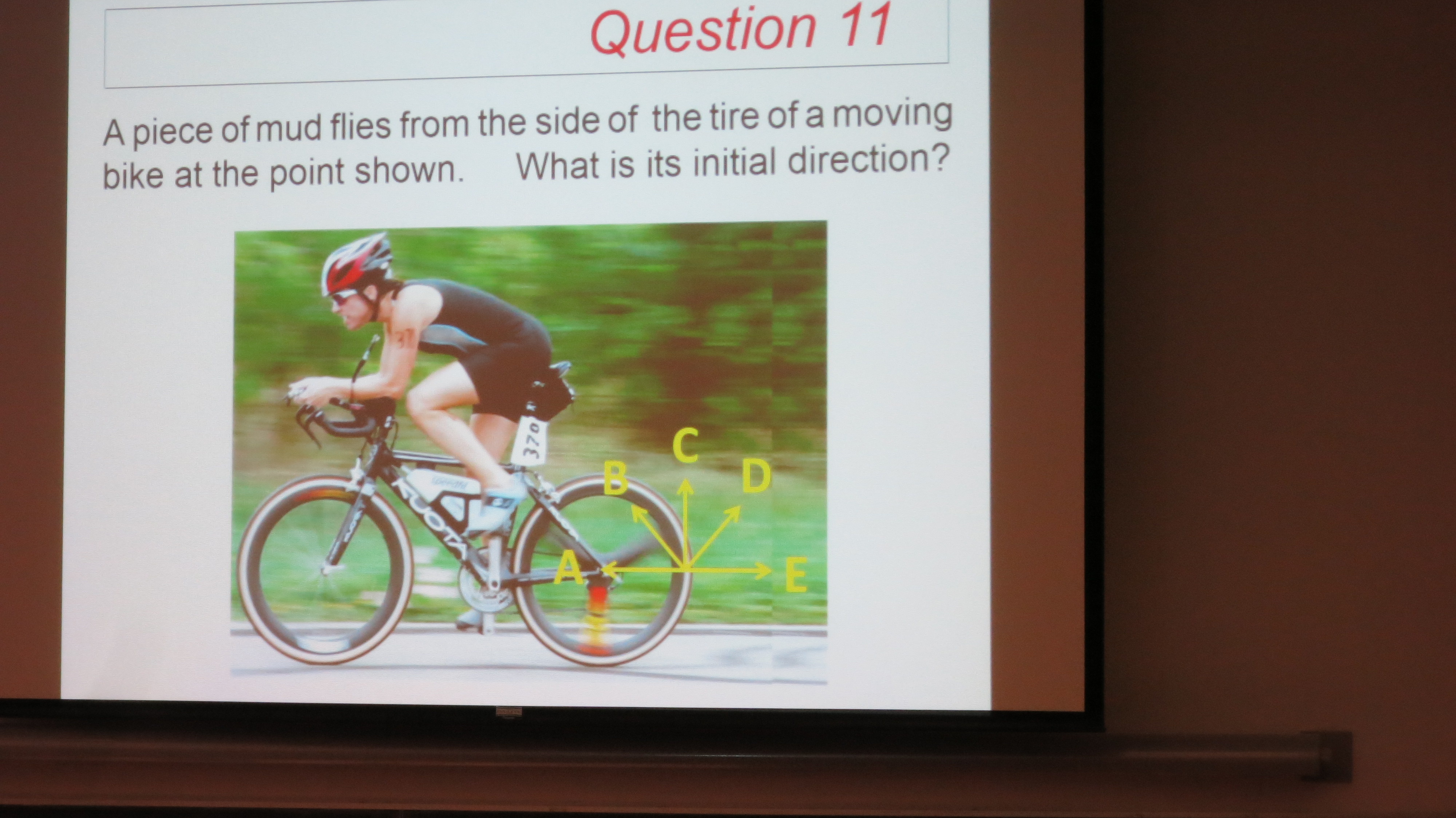
On March 8, 2012 hundreds of BC physics students (430 students) and more than 50 physics teachers came to UBC to participate in 36th UBC Physics Olympics: http://physoly.phas.ubc.ca/ One of the most popular events in the Olympics was Quizzics – an event that included conceptual multiple-choice physics questions, like the one shown below. Our MSTLTT resource is a great opportunity for students to become familiar with conceptual side of physics. Our resource has more than a thousand conceptual questions to play with and each one of them has an explanation and some ideas about different ways of thinking about it. We hope that they will be helpful for students preparing for 37th UBC Physics Olympics that will take place next year! By that time our database will expand event further!
MSTLTT Project has been funded for another year!
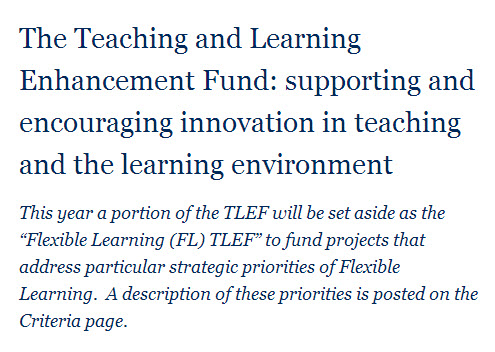 UBC Teaching and Learning Enhancement Fund funded our MSTLTT project for another year! It is the third year of funding and the continuous support from the UBC Teaching and Learning Enhancement fund is crucial in helping us change how mathematics and science are taught in the Province of British Columbia. The results of the first two years of project implementations had been disseminated through workshops, presentations, as well as informal events. For example, in April 2014 we will present the results of the project at the Annual Meeting of the American Education Research Association in Philadelphia – this is one of the biggest educational events in the world and their interest in our papers is another evidence that what we are doing here matters.
Fisher, H., MacDonald, A., & Milner-Bolotin, M. (2014). Developing a tool to investigate teacher-candidates’ Pedagogical Content Kniwledge ina technology-based physics methods course. Paper presented at the American Educational Research Association Annual Conference, Philadelphia, PA.
MacDonald, A., Fisher, H., & Milner-Bolotin, M. (2014). Using Technology for Conceptual Learning in Physics Teacher Education: Engaging Teacher-Candidates as Learners and Teachers. Paper presented at the American Educational Research Association Annual Conference, Philadelphia, PA.
CEP Rubrics – Milner-Bolotin_Fisher_MacDonald_March12 2014
EngagingTCasLearnersAsTeachers_AERA2014_MacDonaldFisherMilner-Bolotin
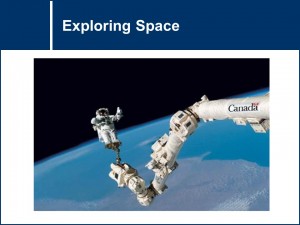
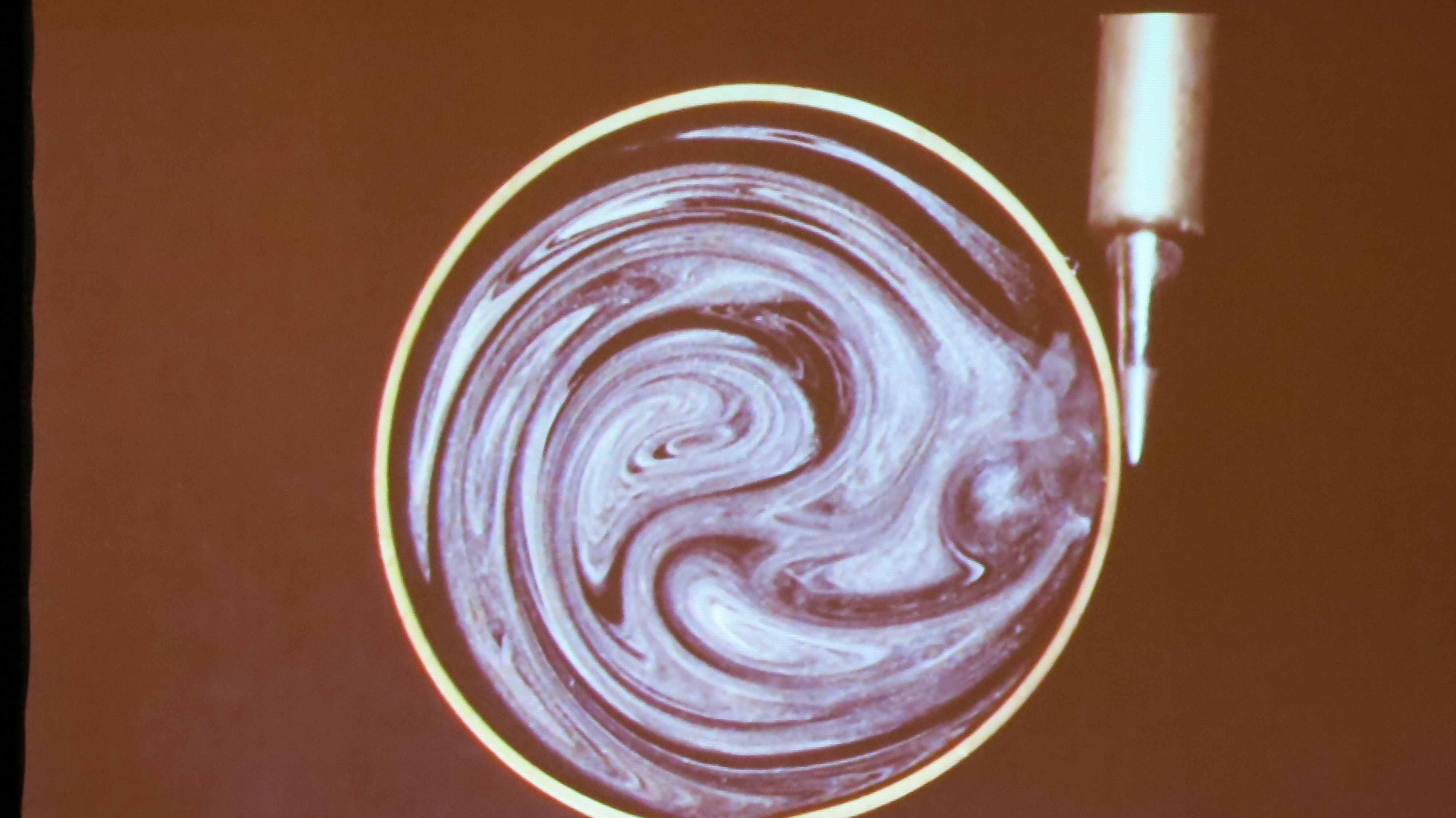
Science Off the Sphere Project from NASA
I am currently attending the American Association of Physics Teachers. I attended a plenary session where I learned about a great project spearheaded by NASA astronaut Dr. Don Pettit. The resource is called: Science off the Sphere. I hope all science teachers and students will benefit from exploring this wonderful resource. It has amazing videos, ideas for lessons, projects and very unexpected science experiments that cannot be performed here on Earth!
Problem-Based Learning for College Physics
It is an excellent resource for teachers who want to implement PBL in their classroom. While the site is dedicated to college teaching, it is created having grade 12 students and AP physics students in mind. It is widely used all around the world and it is created by our Canadian colleagues from Quebec.
Happy New Year to all Math & Science Students and Teachers
Our team would like to wish all Mathematics and Science practicing and prospective teachers and students a great year of 2014. May it bring you happiness, success, health, and great math and science ideas, lessons, discoveries, and discussions. May mathematics and science make this year more interesting, fulfilling and exciting. We hope you will be using our resources and will let us know what you think about them.

With the very best wishes, MSTLTT Team
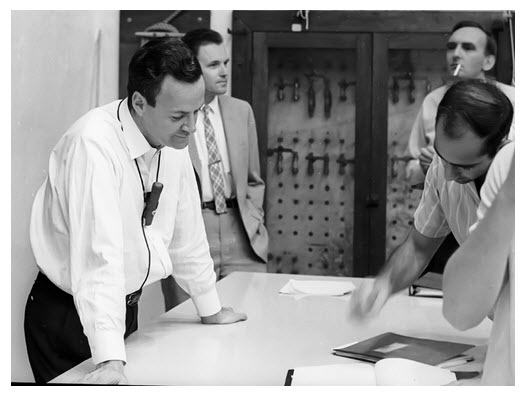
A Digital Edition of Feynman Lectures on Physics
Technology takes on many different shapes and forms. One way to use technology in mathematics and science teaching is to have access to science education classics. While Feynman lectures on physics are beyond an “average” high school science student, they will be a big draw for teachers and for all the students who are interested in going beyond the high school curriculum. Having this access is a true gift.
A Teaching Channel: A great resource for Math and Science Teaching
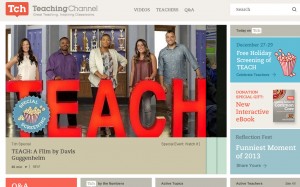
A Teaching Channel is an excellent resource for mathematics and science educators!
DigiExplanations -Learning and Communicating Science with Student-Created Media
A/P Hoban has been awarded one of two national senior teaching fellowships in Australia allocated by the national Office for Learning and Teaching targeting new ways for teacher education and science students to engage with science content. His fellowship will support Science and Science Teacher Education academics in implementing assessment tasks that can incorporate a range of narrated student-created digital media such as podcast, digital story, animation, video and a new form he has recently developed called blended media.
Creating these different forms of media will engage students in learning, explaining and communicating science to address new teaching and learning standards (Threshold Learning Outcomes 2 & 4 and AITSAL Standards 2.1 and 2.6). To accomplish this he will lead a connected sequence of activities to engage existing and intended users of student-created digital media as well as promoting partnerships between science and science teacher education academics. This web site has been designed to support these fellowship activities.